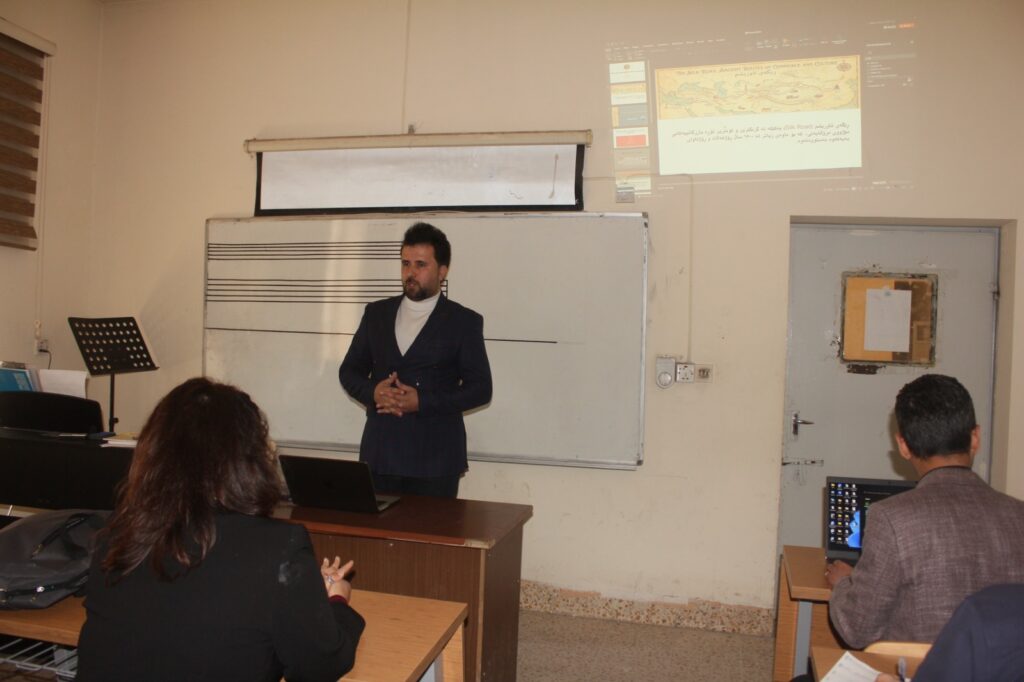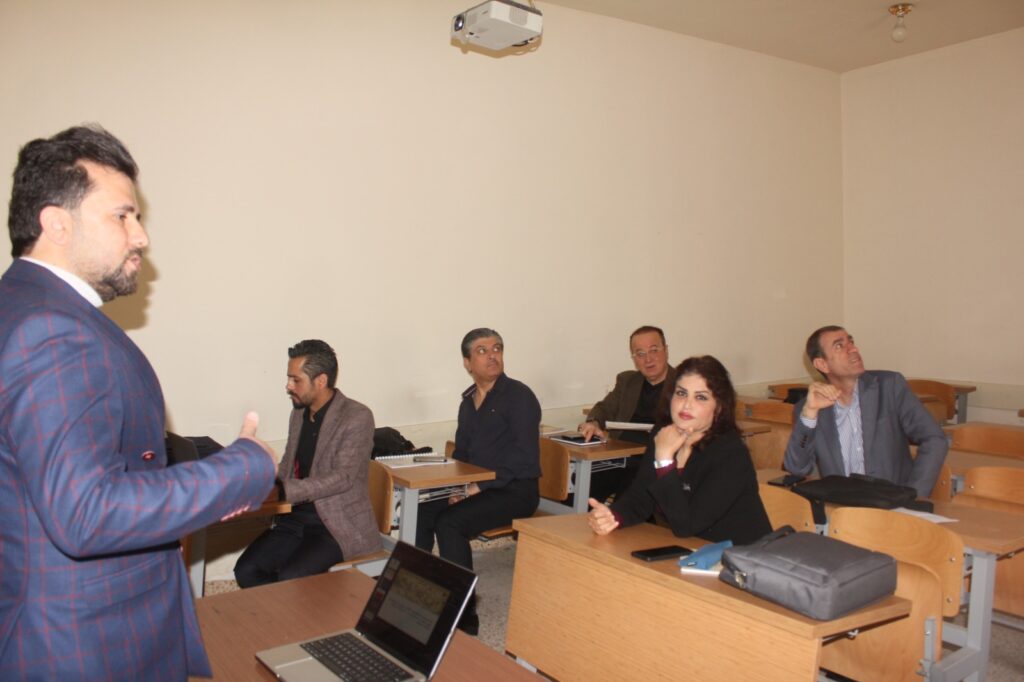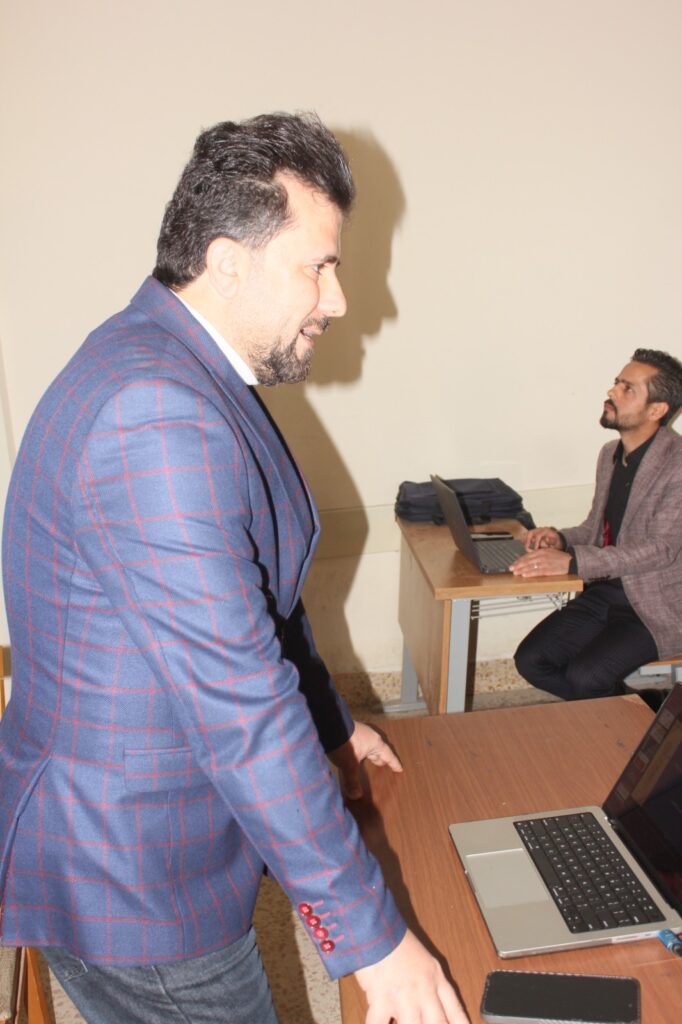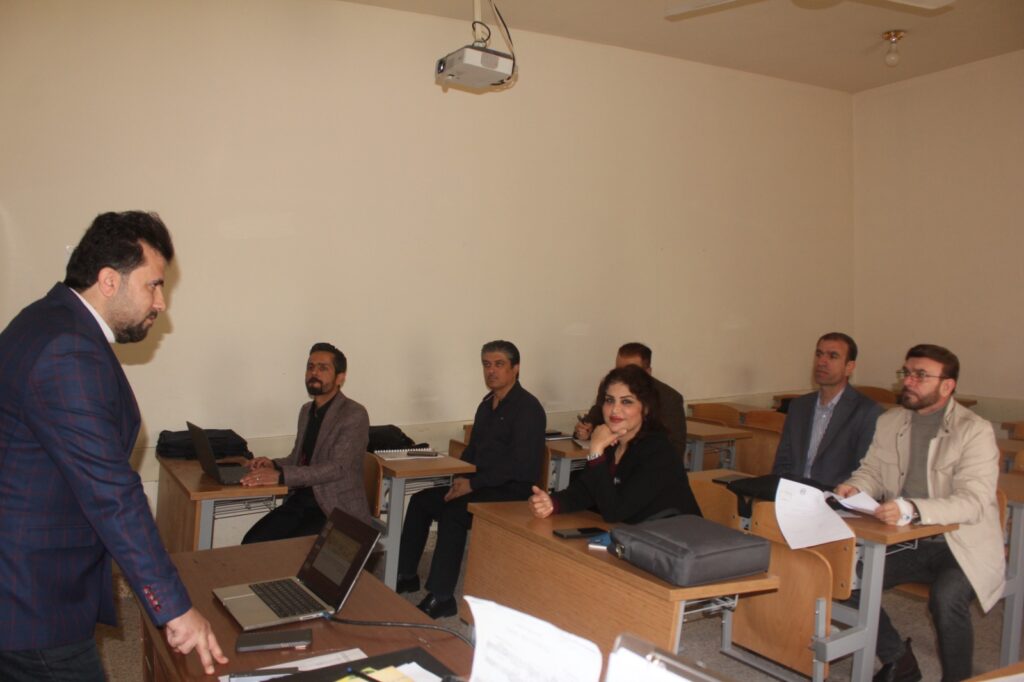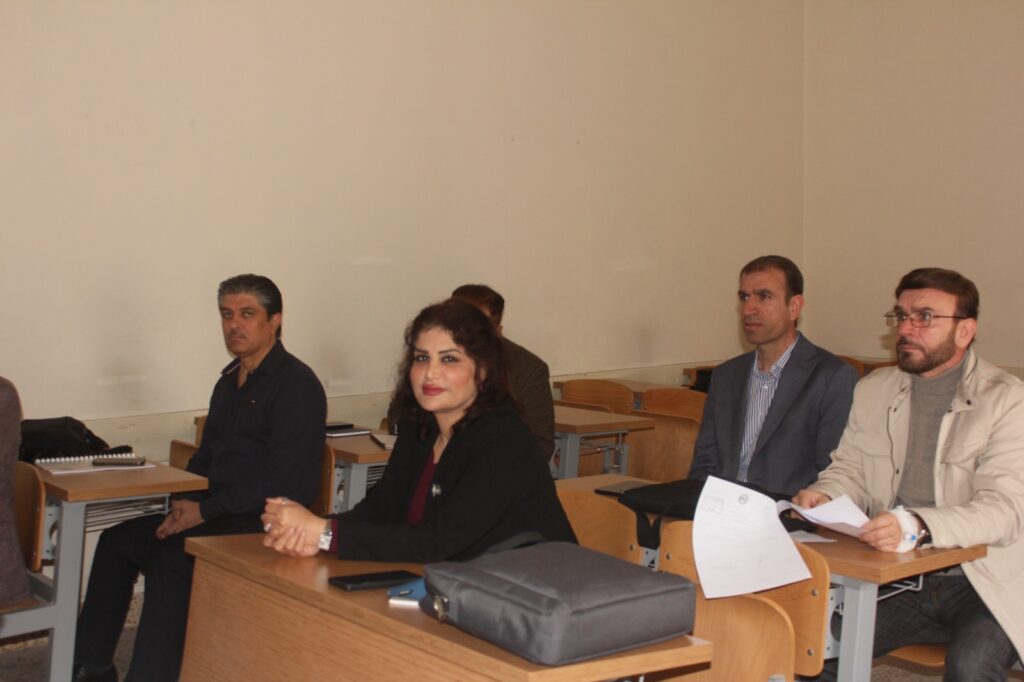
Erbil, Tuesday (April 14, 2026)
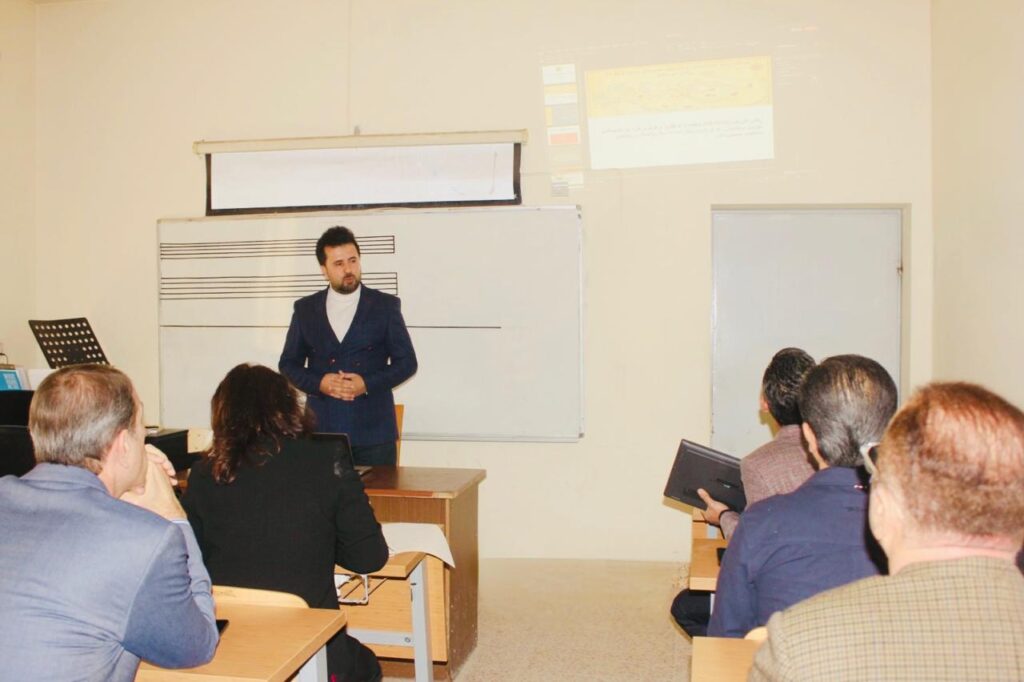
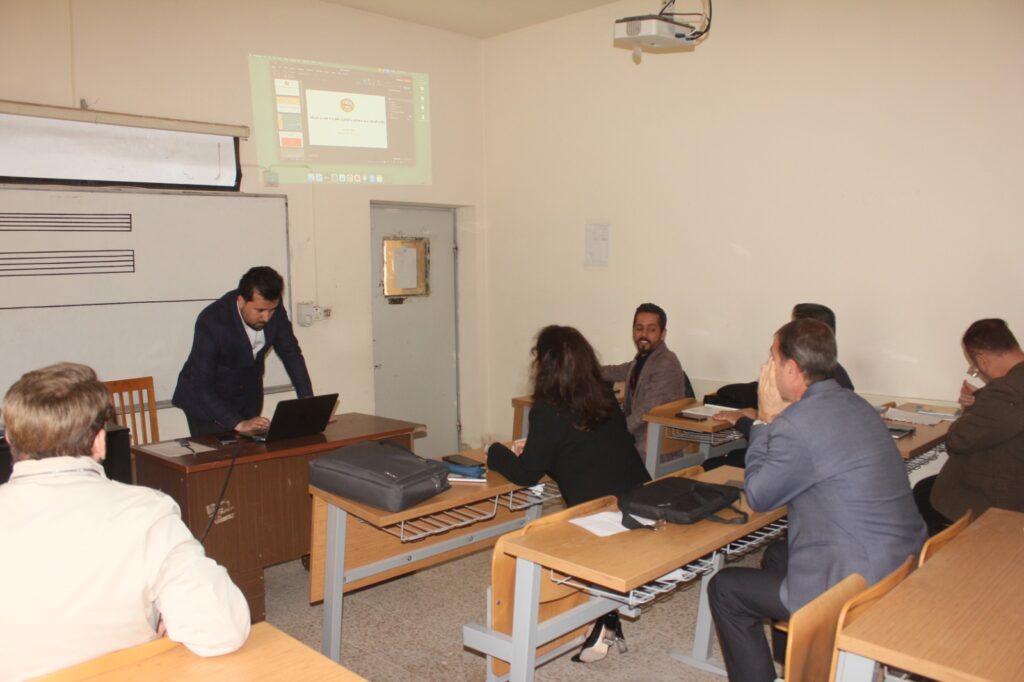
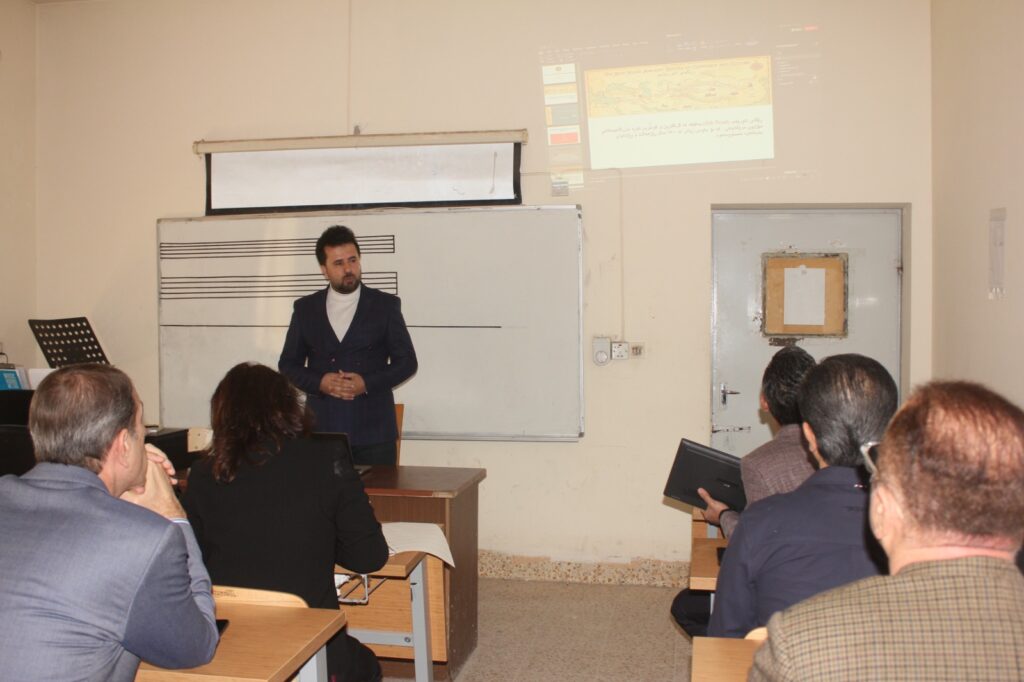
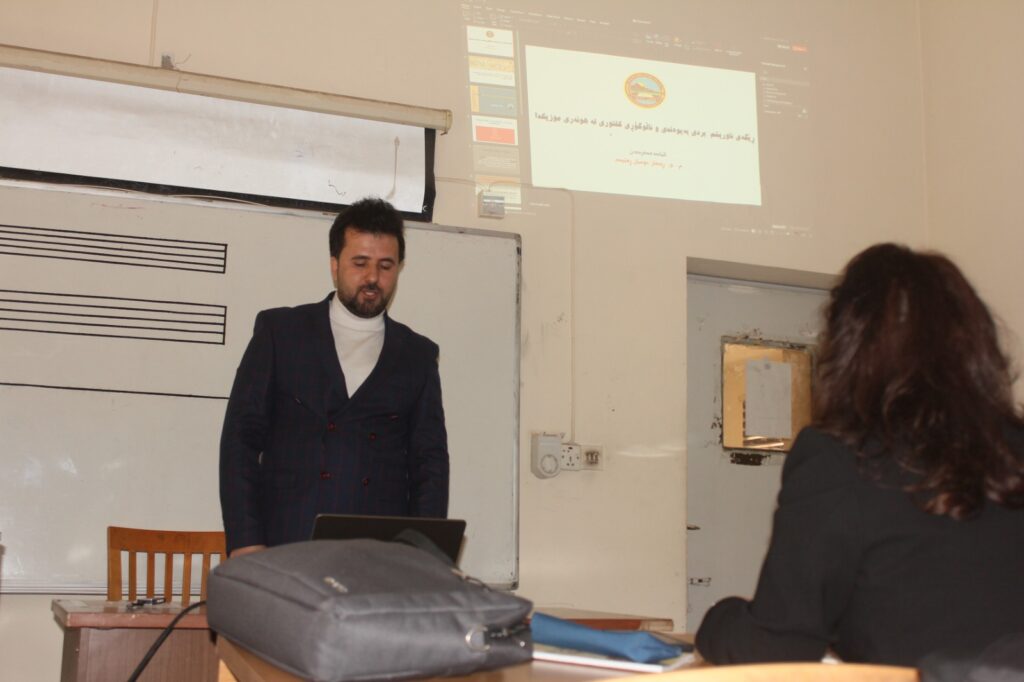
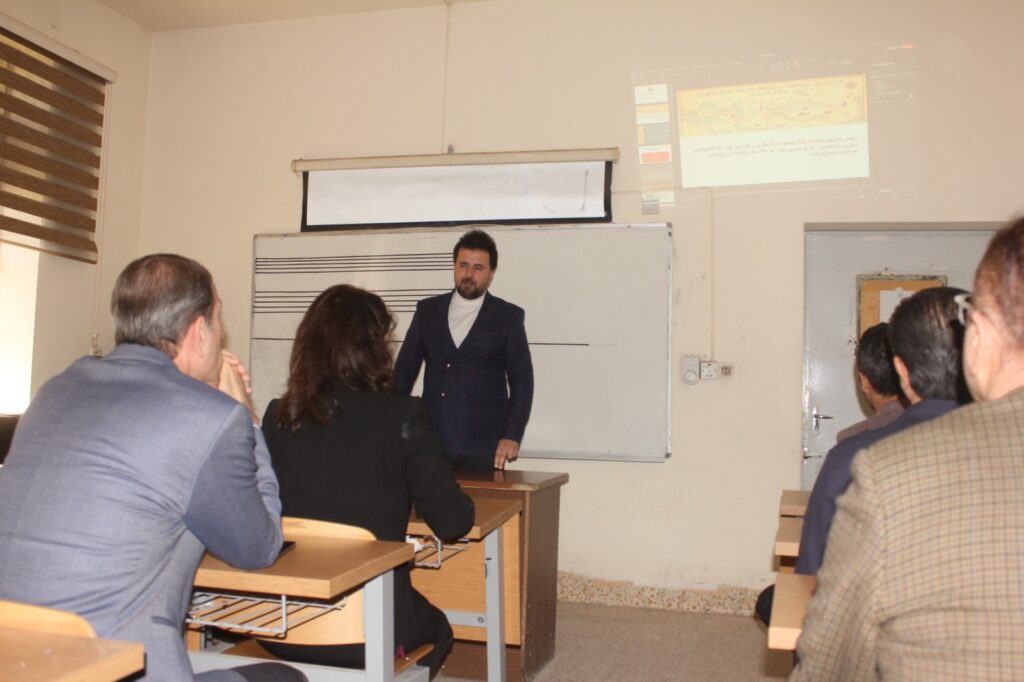
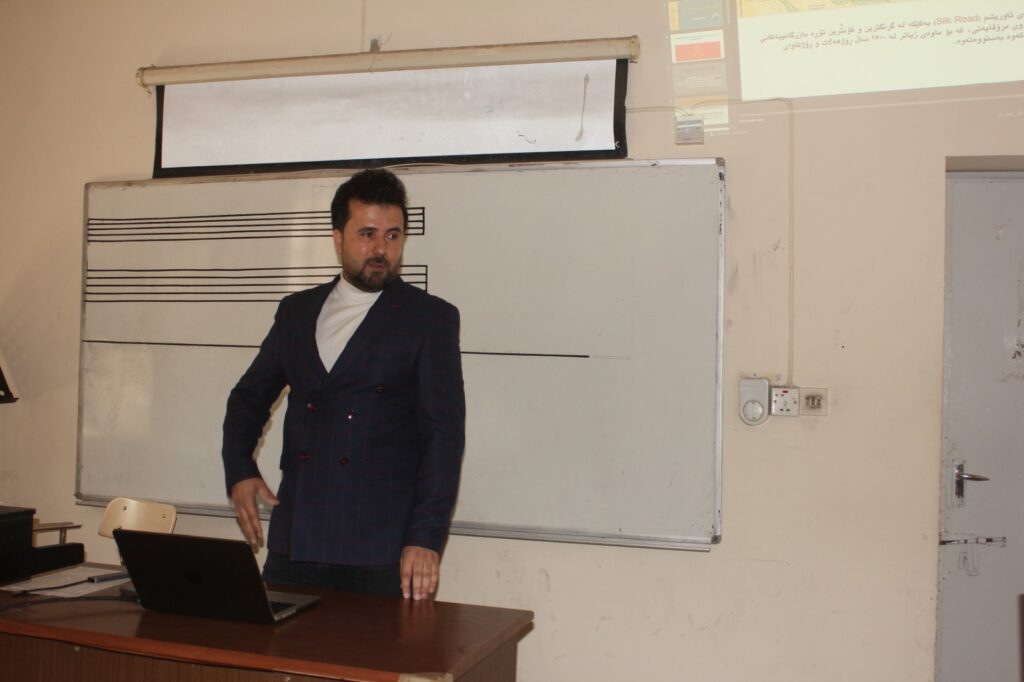
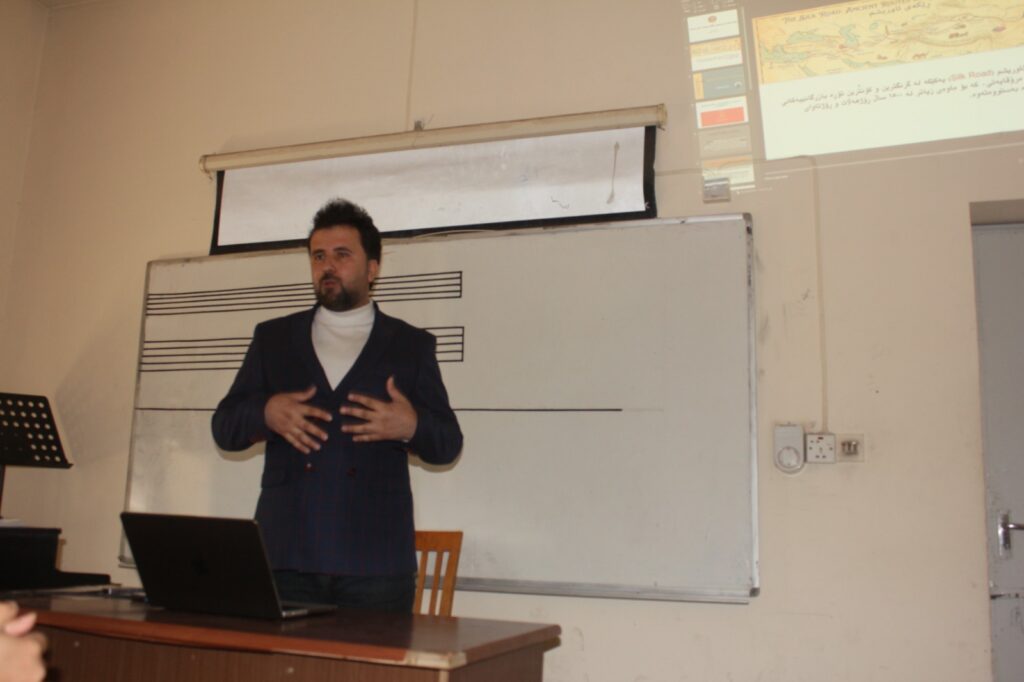
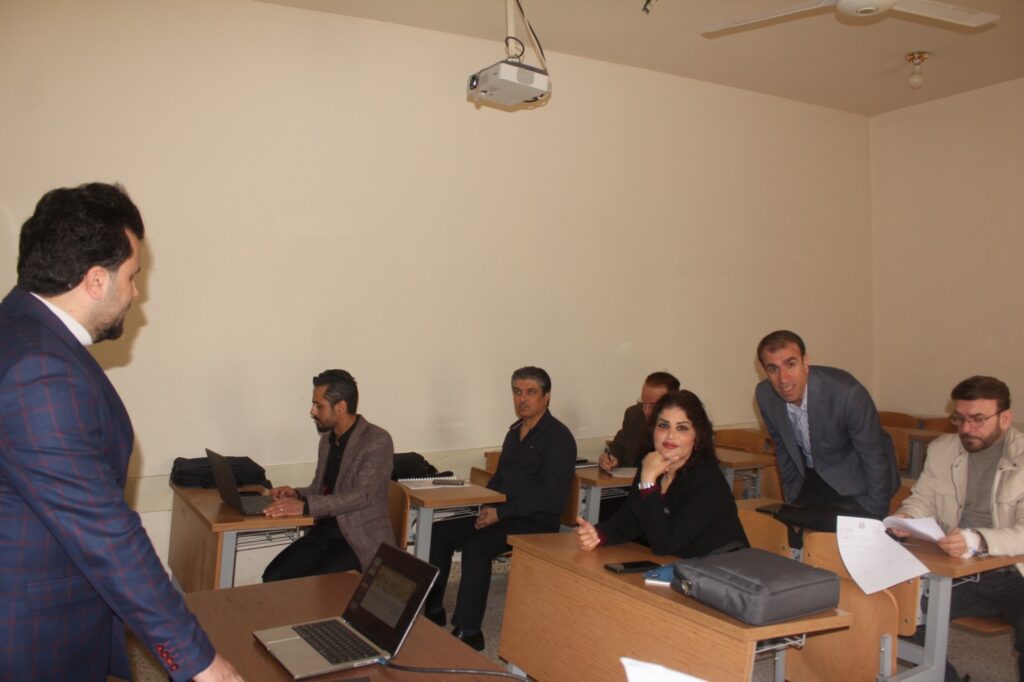
With the attendance of a number of faculty members from the Department of Music at the College of Fine Arts, Assistant Lecturer Rêkar Osman Rashid presented a scientific seminar entitled (The Silk Road: A Bridge of Communication and Cultural Exchange in the Art of Music). The seminar highlighted the historical role of music as a key instrument for the transmission of culture and knowledge.
The seminar explained in detail that the Silk Road was not merely a trade route, but a rich platform for the exchange of musical philosophies, sound systems, and instrument-making technologies. It was emphasized that music, throughout this history, functioned as a form of “high-level political language” and an effective tool of cultural diplomacy (soft power), capable of transcending geographical boundaries and fostering deep human connections between civilizations.
Another (axis) of the seminar was devoted to analyzing the morphology and organology of musical instrument families. It was noted that this route served as a vast laboratory for the development of musical forms and philosophies of instrument construction, where continuous interaction between East and West led to fundamental transformations in world music.
In conclusion, attention was drawn to the perspective of UNESCO and its contemporary initiatives such as the YOUMA project, which recognize Silk Road music as part of the intangible cultural heritage of humanity. It was stressed that music is a key to mutual understanding and coexistence among peoples. Attendees enriched the discussion with their observations and insights.