
Plastic Art
The Department of Plastic Art is an academic institution that was founded in 2003–2004 with the founding of the College of Fine Arts. Initially, the Department was divided into two divisions: sculpture and drawing. It then shifted to four areas: design, ceramics, sculpture, and drawing. Professors and teachers working in the disciplines are good, skilled, and knowledgeable. Students receive certificates from the department for their bachelor's, master's, and doctoral degrees.
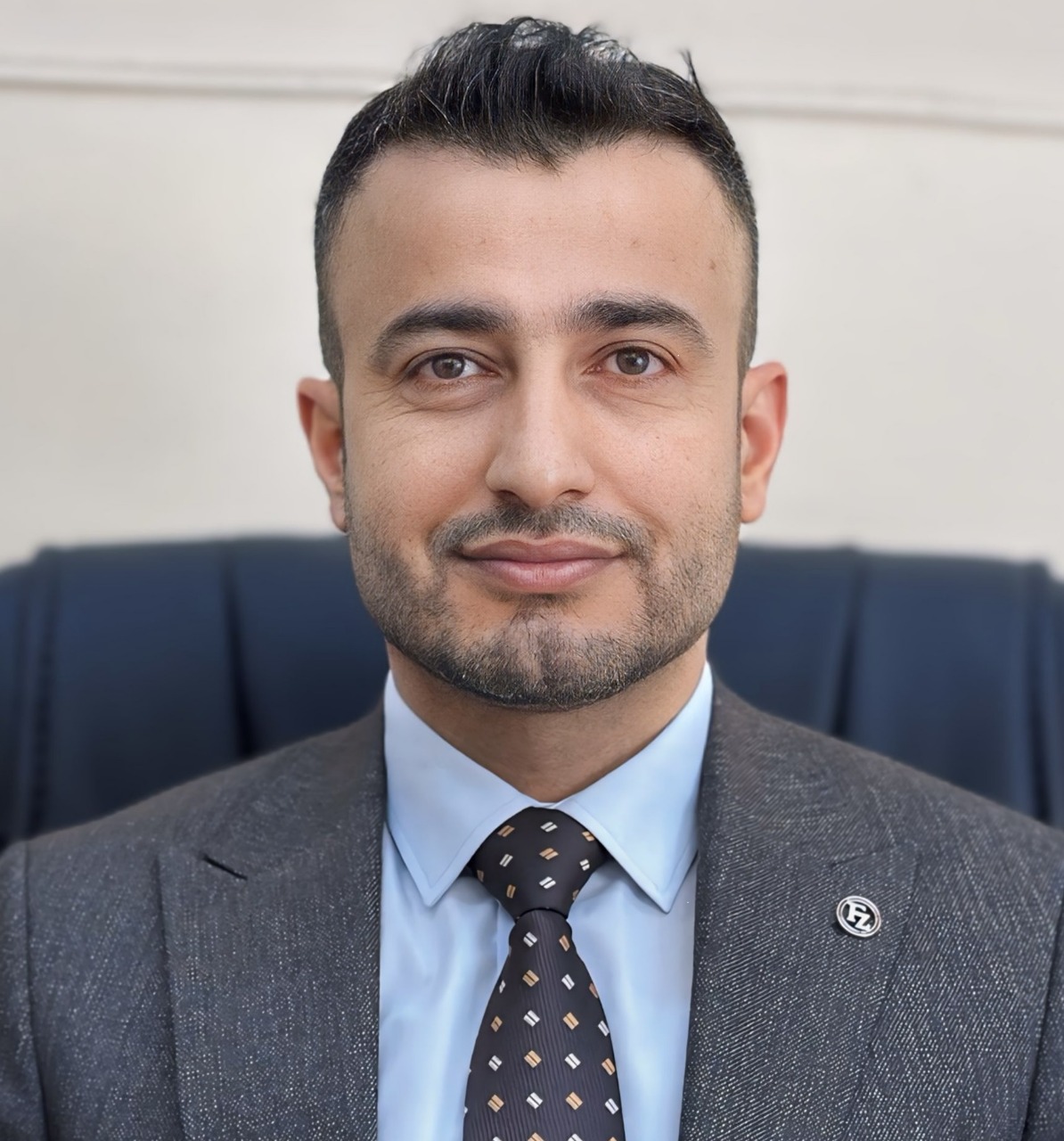
M.Y.Karzan Ahmed Khudhur
My name is ( Karzan Ahmed Khudhur) I am the head of the Plastic art department. I have a master's degree in Plastic Art, and my vision is: the department's artistic vision uses plastic head art as its main representation. The department seeks to establish a supportive environment for creative artists who merge cultural heritage with critical practice. The future of plastic arts will be defined by artists who combine established techniques with contemporary methods of experimentation. The department will function as a hub for artistic excellence which promotes field interactions and community participation alongside cultural identity preservation through sculpture, painting, ceramics and interior design work.
Alright, here’s how I’d put it with a bit more attitude and a lot less robotic structure: So, the whole vision thing basically hangs on five big ideas. First up, Artistic Innovation. The department’s all about letting artists mess around with new stuff think AI, 3D printing, whatever weird tech’s out there plus digging into fresh ways of thinking. Then there’s this Cultural Continuity deal, where they treat plastic arts like some kind of superhero cape, guarding and shaking up local and national traditions at the same time.
Next, they keep it real academically: research isn’t just reading dusty books, it’s hands-on studio work and some seriously blunt critiques (no sugarcoating). The place turns into a cultural hotspot with all these exhibitions, workshops, and art installations, which basically lets students get out there and vibe with the community instead of just hiding in a classroom.
And don’t forget the Global Perspective bit they want students to go toe-to-toe with the international art crowd but still hang on to their roots. It’s like, “Hey, go take on the world, but don’t forget where you came from. Bottom line? This whole approach isn’t just about churning out artists—it’s about firing up creativity, getting people to actually work together (shocking, I know), and mixing up ideas from everywhere. That’s how they keep things fresh and push for real innovation.
"Vision" in Plastic Art refers to both the conceptual outlook and the creative direction that artists bring to their work in the plastic arts—those that involve shaping or molding materials into three-dimensional forms, such as plastic art, sculpture, ceramics, interior design, and mixed media installations. .
Whether you believe art should be about something, or whether it should have meaning, or whether a painting is better if it has a clear statement to make, or even a statement at all, however complex and difficult to parse, is ultimately up to you as the beholder. They manipulate form, texture, and space to illustrate their “vision,” whether a message or a particular model of the world they want to convey
Materials / material innovation: Resourceful plastic artists work with traditional and new materials: ceramics, metal, recycled plastic and computer-based production techniques challenge conventional rules.
Cultural Communication: Many artists use their art as a way to reflect on social issues, tradition and identity. Work on Plastic Art For example, one on modernizing plastic art, because it is a subject relevant to modern life and has its source in Mesopotamian civilization, some art departments in Iraq focus heavily on the topic of modernizing Plastic Art.
Balance of theory and practice: Institutions like the College of Fine Arts from various parts of the world characterize there
Vision as a Pedagogical Framework in plastic Art
TIn academic settings, "vision" also refers to the educational goals of plastic arts departments:
In academic settings, "vision" also refers to the educational goals of plastic arts departments: Cultivating creative, socially responsible artists - Encouraging innovation through workshops and exhibitions - Bridging heritage and modernity in artistic expression - Supporting national development through cultural contributions -importance of the department The importance of a Plastic Arts Department in shaping a future vision especially in academic and cultural institutions is profound. It acts as both a creative incubator and a cultural compass, guiding how art evolves in response to societal, technological, and philosophical shifts. 1. Cultural Preservation and Innovation Acts as a guardian of heritage, especially in regions rich with history like Iraq and Kurdistan. - Encourages reinterpretation of traditional forms (e.g., Assyrian sculpture) using modern techniques and materials Bridges past and future, ensuring cultural identity evolves rather than erodes. 2. Creative Leadership and Talent Development - Trains students to become leaders in the arts, capable of influencing education, media, and public discourse. - Fosters critical thinking and innovation, preparing graduates to tackle real-world challenges through artistic expression. - Supports lifelong learning through postgraduate programs and research initiatives. 3. Academic and Intellectual Contribution - Advances art theory and practice through research, exhibitions, and interdisciplinary collaboration. - Promotes dialogue between art and other fields like AI, environmental studies, or sociology expanding the role of art in academia. - Encourages methodological diversity, blending studio work with conceptual inquiry. 4. Community and Global Engagement - Positions the department as a cultural hub, hosting festivals, exhibitions, and public art projects - Prepares students to engage with global artistic movements while staying rooted in local identity. - Builds partnerships with institutions, NGOs, and cultural organizations to amplify impact. 5. National Development and Soft Power - Contributes to national development plans by producing artists who enrich public spaces, education, and cultural diplomacy. - Enhances a country’s soft power by showcasing its artistic achievements on international platforms.Graduates from a Plastic Arts Department emerge with a rich blend of creative, technical, and theoretical skills that prepare them for diverse roles in the art world and beyond. Here's a breakdown of what they typically learn, the outcomes, and the career paths available:
What Students Learn by Graduation- Artistic Mastery: Proficiency in painting, sculpture, ceramics, and graphic design, with strong studio practice.
- Theoretical Foundations: Deep understanding of art history, aesthetics, and cultural studies—often with a focus on Kurdish and Mesopotamian heritage.
- Critical Thinking & Research: Ability to analyse, critique, and produce scholarly work, including a final-year research project.
- Technical Innovation: Familiarity with digital tools, design software, and sometimes even AI or 3D modelling.
- Pedagogical Skills: Training to become art educators, especially in schools and fine arts institutions.
Outcomes After Graduation
- Jumping in to the Real World: These grads? They're not just dipping their toes in most are ready to dive headfirst into shaping Kurdish plastic art, making noise in the bigger art scene, and actually having something to say culturally (as opposed to just parroting what they've been taught).
- Future Bosses in the Making: Honestly, quite a few of them end up steering things whether that’s running a department at a university, shaking things up in a museum, or even wrangling projects for the government. Boss energy, basically.
- Culture Warriors: It’s not just about making pretty things. A lot of these folks end up really fighting for their culture preserving traditions but also pushing boundaries, blending old and new, and making sure people actually pay attention.Department of Art
Study in it (Bologna Process), also the first general stage and consists of four main branches. (Painting, Sculpture, Interior Design, Ceramics).Studying in the Faculty of Fine Arts, Department of Fine Arts, consists of 4 years. At the beginning of the establishment of the department, it was annual, and in the academic year 2015-2016, studying in the department became courses, and now currently studying in the college has become the Bologna system.
Four-year bachelor's program
Sculpture Branch- First Year- 1st Semester
Kurdish Studies
English for University Students
Computer Skills
Principles of Plastic Arts
Principles of Sculpture
Principles of Ceramics
Sculpture Branch- First Year- 2nd Semester
English for Specific Purpose
Academic Skills
Elements of Drawing
Elements of Sculpture
Elements of Ceramics
Elements of Design
Sculpture Branch- First Year- 3st Semester
Art History of Mesopotamia
Perspective
Anatomy
Drawing
Portrait Sculpture
Relief Sculpture
Sculpture Branch- First Year- 4nd Semester
History of Ancient Egyptian and Greek Art
Digital art
Perspective 1
Model drawing
Techniques and molding of Sculptures
Composition Sculpture
Sculpture Branch- First Year- 5nd Semester
History of European Art
Art Application
Drawing
Sculpture and Architectural Art Design
Composition Sculpture 1
Elective (Sculpture and Techniques Material)
Sculpture Branch- First Year- 6nd Semester
History of Islamic Art
Artistic pleasure
Sculpture Medal
Monument Sculpture
Studio Sculpture and drafting of metals
Research Methodology
Sculpture Branch- First Year- 7nd Semester
Classical Art Criticism
History of Modern Art
Contemporary Sculpture Art Studio
Project
Imagination and artistic creativity
Elective (Examples of sculpture and marketing, art teaching methods)
Sculpture Branch- First Year- 8nd Semester
Contemporary Art Criticism
History of Postmodern art
(Assemblage Sculpture)
Project Sulpture2
Studio Sculpture
Elective (Artificial Intelligence in Art, Art Teaching Methods)
Drawing Art Branch- First Year- 1st Semester
Kurdish Studies
English for University Students
Computer Skills
Principles of Plastic Arts
Principles of Sculpture
Principles of Ceramics
Drawing Art Branch- First Year- 2st Semester
English for Specific Purpose
Academic Skills
Elements of Drawing
Elements of Sculpture
Elements of Ceramics
Elements of Design
Drawing Art Branch- First Year- 3st Semester
Art History of Mesopotamia
Perspective
Human Anatomy
Water colors
Graphic Techniques
Stilllife Drawing
Drawing Art Branch- First Year- 4st Semester
History of Egyptian and Ancient Greek Art
Animal Anatomy
Digital Art
Environmental Art
Portrait and Model Planning
Technology and Oil Paints
Drawing Art Branch- First Year- 5st Semester
History of Ancient European Art
Philosophy of Art
Creating World Painting
Planning
Colors
Interior Murals
Drawing Art Branch- First Year- 6st Semester
History of Islamic Art
Artistic Appreciation
Planning/Modeling
Drawing Creation
Elective /Exterior Murals + Photography + Deferent martial Sculpture
Research Methodology
Drawing Art Branch- First Year- 7st Semester
Classical Art Criticism
History of Modern Art
Imagination and Artistic Creativity
Modern Painting Studio
Elective/Marketing Artworks + Art Teaching Methods
The Project
Drawing Art Branch- First Year- 8st Semester
Contemporary Art Criticism
Postmodern Art History
Imagination and Artistic Creativity
Contemporary Art Studio
Elective/Artificial Intelligence in Art + Art Teaching Methods
The Project
Ceramic Branch- First Year- 1st Semester
Kurdish Studies
English for University Students
Computer Skills
Principles of Plastic Arts
Principles of Sculpture
Principles of Ceramics
Ceramic Branch- First Year- 2st Semester
English for Specific Purpose
Academic Skills
Elements of Drawing
Elements of Sculpture
Elements of Ceramics
Elements of Design
Ceramic Branch- First Year- 3st Semester
History of Mesopotamian Art
Glass Chemistry
Principles of drawing
Islamic Ceramics
ceramic murals
ceramics and different materials
Ceramic Branch- First Year- 4st Semester
History of Ancient Egyptian and Greek Art
The Psychology of Color
Principles of Color
digital art
Kilns and Glazing
Ceramic technology and techniques
Ceramic Branch- First Year- 5st Semester
History of Ancient Ceramic Art
Philosophy of Art
Asian ceramic techniques
Antique Ceramic Design
ceramic construction
Environmental art
Ceramic Branch- First Year- 6st Semester
History of Contemporary Ceramic Art
Artistic Appreciation
Contemporary Ceramic Design
Pottery Sculpture
Elective Courses 2
Research Methodology
Ceramic Branch- First Year- 7st Semester
Classical Art Criticism
History of Modern Art
Modern Ceramic Studio
Imagination and artistic creativity
Elective Courses
Project 1
Ceramic Branch- First Year- 8st Semester
Contemporary Art Criticism
Postmodern Art History
Contemporary ceramics Studio
Environmental Art
Elective Courses
Project 2
Interior Design Branch - First Year- 1st Semester
Kurdish Studies
English for University Students
Computer Skills
Principles of Plastic Arts
Principles of Sculpture
Principles of Ceramics
Interior Design Branch - First Year- 2st Semester
English for Specific Purpose
Academic Skills
Elements of Drawing
Elements of Sculpture
Elements of Ceramics
Elements of Design
Interior Design Branch - First Year- 3st Semester
History of Mesopotamian Architecture
Principle of Interior Design
Perspective
Principle of Architectural drawing
(Digital Drawing (AutoCAD
Principles of Models Making
Interior Design Branch - First Year- 4st Semester
Interior Design - Residential
Interior Design Material
Cooler Theories
Composition of Design Concept
Design Art Rendering
Architectural Drawing
Interior Design Branch - First Year- 5st Semester
Interior Design Supplements
Design Aesthetic
Elective
Furniture Design
Design by Computer (3DsMax)
Interior Design for Commercial Spaces
Interior Design Branch - First Year- 6st Semester
History of European Architecture Art
Artistic Appreciation
Interior design of hospitality spaces
Freehand Drawing in Design
Digital Visualization Art
Research Methodology
Interior Design Branch - First Year- 7st Semester
History of Modern Architecture Art
Management and Organizing
Project 1
Elective1
Lighting Design and Acoustics
Interior Design Studio
Interior Design Branch - First Year- 8st Semester
Contemporary Art Criticism
The History of Postmodern Architectural Art
Psychology of Interior Design
Project 2
Environmental design
Elective
Admission to the College of Fine Arts Department of Painting is as follows
1- Graduates of 12 high schools (Zankoline):
Must have a grade of not less than (55%) for free education and graduated in the new year or a year earlier. If the grade is lower, the study will be in parallel.
2- Graduates of the Institute of Fine Arts:
Must have a grade of not less than 60% in the institute. For free education, he/she must have graduated in the new year
3- Candidates of Kurdistan Artists Union:
Applicants of the Artists Union if they are high school or college graduates will be covered by the same guidelines regarding grades and must not be older than (35) years for free education and up to (45) years in parallel.
For all three points, applicants will take an aptitude test selected by an academic committee of the department for their examination in two stages (theory - practical) for both stages of the examination will be (40%).
Master's Degree in Art (Painting – Sculpture – Ceramics)
First Year- 1st Semester
Advanced Research Methodology
Advanced Computer Skills
Research Studies of Aesthetics
Studies of Mesopotamia History
Elective (Semiology Studies, Arts Development)
First Year- 2nd Semester
Art Criticism
Contemporary Art history Studies
Art Sociology
Creation Psychology of Art
Elective ( Modern Mix media, Advanced Techniques)
Higher Education PHD Program Department of Art (Painting – Sculpture – Ceramics)
Philosophy of Art History and Civilization
Advanced Research Methodology
Art Philosophy in contemporary Ideology
Studies in contemporary critical trends
Elective Course : Contemporary Technique and Martials , Advanced Technology States
Higher Education PHD Program Doctorate Department of Art (Art Education)
Philosophy of Art History and Civilization
Advanced Research Methodology
Contemporary Theories in Art Education
Issues of Culture and Visual Communication in Art and Art Education
History of modern and contemporary Art
Higher Education PHD Program Doctorate Department of Art (Interior Design)
Philosophy of Art History and Civilization
Advanced Research Methodology
Theories of interior design
Sustainable interior design
Elective Course: ( Visual Communication in Art and Design, Philosophy of Art Architecture)
What Students Learn by Graduation
1-Artistic Mastery : Proficiency in painting, sculpture, ceramics, and graphic design, with strong studio practice .
2. Theoretical Foundations : Deep understanding of art history, aesthetics, and cultural studies—often with a focus on Kurdish and Mesopotamian heritage . 3. Critical Thinking & Research : Ability to analyze, critique, and produce scholarly work, including a final-year research project . 4.Technical Innovation : Familiarity with digital tools, design software, and sometimes even AI or 3D modeling . 5.Pedagogical Skills : Training to become art educators, especially in schools and fine arts institutions .Graduates from
the Department Plastic Art in College of Fine Arts at Salahaddin University are empowered to become visionary creators and cultural innovators, equipped to honor artistic traditions while boldly exploring new frontiers in plastic arts. Through a curriculum that balances heritage with experimentation, they are prepared to lead, inspire, and contribute meaningfully to the evolving landscape of contemporary art.
The department's programs consist of four main branches (painting, sculpture, ceramics, interior design), as well as our first and second phases on the Bologna process, however the third and fourth stages are also in the form of courses
What has been done for the students' future, what has been done for them in the courses, and what support has been provided for them.
The department’s mission is deeply rooted in preparing students to become leaders in the field of Kurdish and global plastic arts. Key initiatives include: - Balanced theoretical and practical training to ensure graduates are both conceptually strong and technically skilled. - Leadership development for roles in education, cultural institutions, and creative industries. - Focus on innovation and cultural identity, encouraging students to contribute to the evolution of Kurdish art while engaging with global trends. - Graduate programs (MA & PhD) that foster advanced research and critical thinking, with many students continuing into academia or professional practice.What Has Been Done in the Courses
Courses are designed to be immersive, interdisciplinary, and aligned with modern educational standards: - Core subjects include drawing, color theory, sculpture, ceramics, graphic design, art history, aesthetics, and studio practice. - Fourth-year capstone project allows students to conduct independent research and create a major practical work. - Bologna Process framework ensures structured, semester-based learning with clear outcomes and credit systems. - Language of instruction includes Kurdish and English, supporting both local relevance and international engagement.Support Has Been Provided
Support for students in the Plastic Art branch is both academic and holistic: - Highly qualified faculty, many with international degrees, provide mentorship and supervision. - Workshops, exhibitions, and festivals give students platforms to showcase their work and gain public recognition. - Access to studios and specialized labs for hands-on practice in sculpture, ceramics, and digital design. - Career preparation through teaching practicums, community engagement, and connections with cultural institutions. - Encouragement of innovation through research, critique sessions, and participation in national and international art events. - However, our department has also been a factor in the creation of good academic staff in our educational institutions and academic centres in South Kurdistan and Iraq all. Seminars From Passive Listening to Active Learning To make seminars more impactful: - Curate interdisciplinary themes—like AI in sculpture or cultural preservation through digital art—to spark curiosity and relevance - Invite diverse voices: artists, technologists, historians, and alumni to share real-world insights. - Encourage student-led sessions where learners present research or creative projects, building confidence and ownership. - Integrate hands-on components like live demos, critiques, or collaborative brainstorming. Exhibitions Showcasing Identity and Innovation: To turn exhibitions into cultural landmarks - Curate themed exhibitions around identity, memory, and transformation—especially relevant in post-conflict and heritage-rich contexts. - Feature student and faculty work alongside guest artists to foster mentorship and collaboration. - Host exhibitions in public spaces like Erbil Citadel or cultural centers to engage the broader community Festivals: Celebrating Culture and Creativity To make festivals more than just events: - Create annual fine arts festivals that rotate between universities across Kurdistan, building regional unity. - Blend traditional and contemporary art forms—like sculpture with digital projection or Kurdish music with performance art. - Include workshops, live demos, and cultural storytelling to make festivals interactive and educational - Collaborate with local artisans, NGOs, and international cultural bodies to expand reach and funding. The Department of Fine Arts at the College of Fine Arts at Salahaddin University in Erbil is already organizing major exhibitions and cultural festivals that show the potential for growth for everyone.Here are some common and emerging paths:
1.Art teacher : Teaching in schools or fine arts institutes under the Ministry of Education . 2.Independent Artist : Creating and exhibiting original works locally or internationally . 3.Curator or Gallery Manager : Organizing exhibitions and managing collections in museums or galleries . 4. Art Consultant : Advising clients on art acquisitions and installations . 5. Cultural Program Coordinator :Designing and managing community art initiatives. 6. Sculptor or Public Artist : Creating commissioned works for public spaces or cultural institutions . 7. Academic Researcher : Pursuing postgraduate studies or contributing to art scholarship .