
Cinema & Theater
Department of Cinema and Theater Sciences and Department of Cinema / College of Fine Arts / Salahaddin University - Erbil was established in (2004) and the Department of Theater was established in (2005), This was the result of the need for these two specialties in Erbil, especially after the liberation of Iraq, and economic recovery and opening up more freedom and the need for the development of arts and culture. However, until 2016, due to the war against ISIS and the financial crisis, the departure and retirement of some of the teachers who had European identity returned, so due to lack of specialized teachers and quality assurance cinema. It is also the only department in Kurdistan that has a postgraduate (Master's and PHD) specializing in cinema and theater. Students from all over Kurdistan continue their studies in this department. This section continues to grow and expand. The department offers a comprehensive curriculum that covers different aspects of film and theater science, including directing, acting, cinematography, editing, theater and cinema techniques and artificial intelligence. It equips students with the knowledge and skills needed to excel in academia, industry and technological innovation. Through a combination of theoretical instruction, practical work and research opportunities, students gain hands-on experience in solving artistic challenges. .
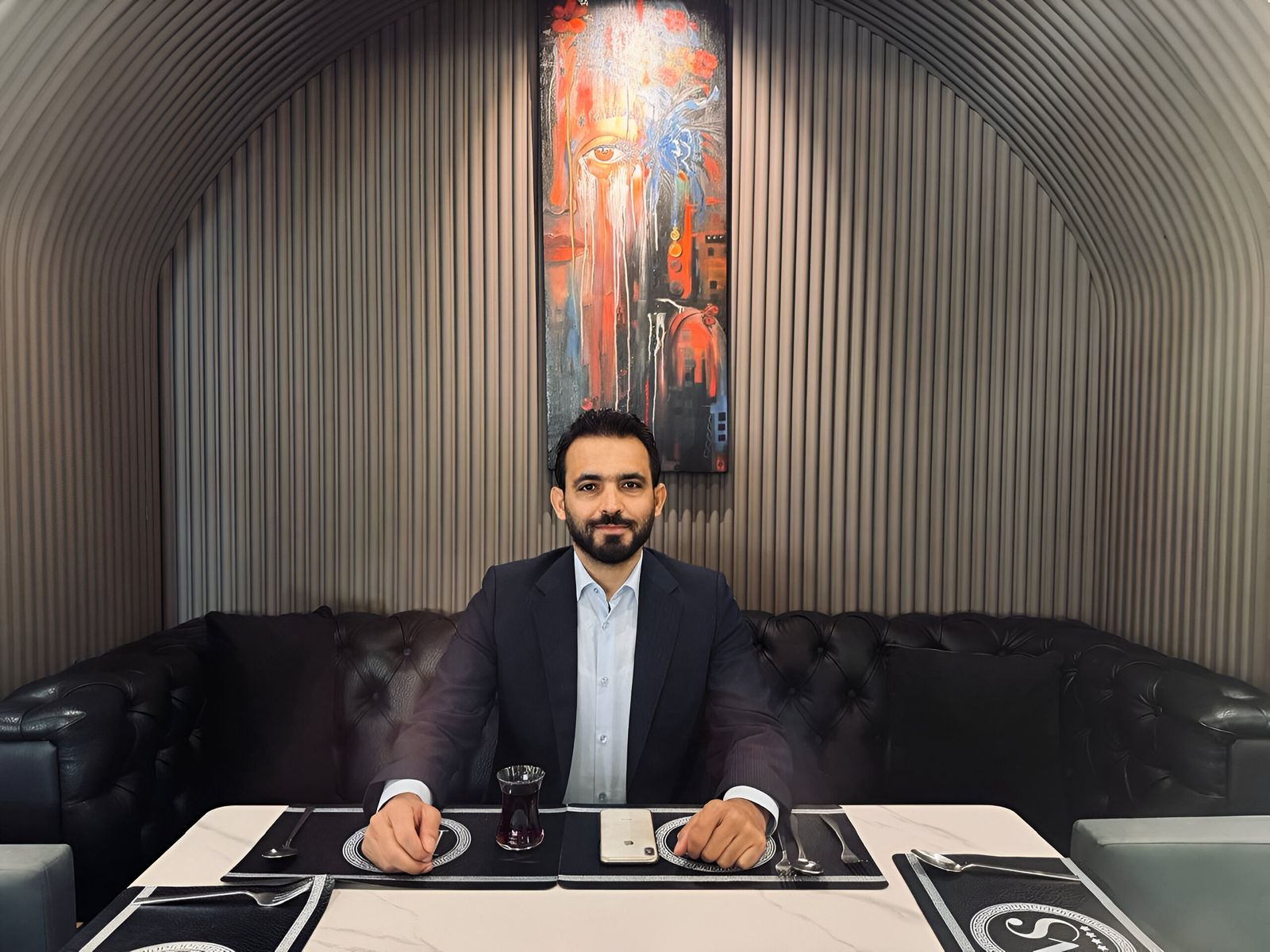
M.Y. Dana Mohammed Abdullah
Head of the Department of Cinema and Theater Full name (M.Y. Dana Mohammed Abdullah) Assistant teacher, and holds a master's degree in (Cinema Art / Technique and Technology) from the College of Fine Arts / Salahaddin University He holds a Bachelor's degree in Cinema Arts/Direction from College of Fine Arts/Salah al-Din University. My research is primarily on cinematic technique and technology, with the aim of developing intelligent systems in film production. Throughout my academic career, I have made significant contributions in these fields, publishing many research papers and articles in journals and panels. I have undergraduate teaching experience covering a wide range of topics, including: Editing. Photography, History of Cinema, Product and Market in Cinema, Research Focus: Practical Application: My research aims to solve the problems of film production in Kurdish film. Interdisciplinary approach: I work collaboratively with experts across fields such as technique, technology, and artificial intelligence, enhancing the artistic impact of my research. Innovation: I pursue advanced methodologies such as integrating AI with cinema to create film production systems. .
The vision of the department is that the dramatic arts must be presented in a scientific manner. In a sense, dramatic work is related to a strong content structure in all the arts that make up the dramatic work, so to do a concise work, the artist must have full knowledge in artistic fields such as (direction, acting, technique and technology, aesthetics, criticism and art literature). History, research methods, academic skills) This is in addition to being aware of contemporary sciences that have an impact on the field of drama such as (artificial intelligence, new art technology) in order to create a broad vision for students..
VisionThe vision of the department is that the dramatic arts must be presented in a scientific manner. In a sense, dramatic work is related to a strong content structure in all the arts that make up the dramatic work, so to do a concise work, the artist must have full knowledge in artistic fields such as (direction, acting, technique and technology, aesthetics, criticism and art literature). History, research methods, academic skills) This is in addition to being aware of contemporary sciences that have an impact on the field of drama such as (artificial intelligence, new art technology) in order to create a broad vision for students. The mission of the Department of Cinema and Theater Science is to provide a high quality education that fosters creativity, innovation and critical thinking in the field of art science. Our goal is to develop students with a comprehensive understanding of theatrical and cinematic technical skills, directing, acting, technique, technology and artificial intelligence. Through hands-on learning and research, we prepare graduates to meet the challenges of a rapidly growing digital world, contributing to the advancement of technology in various fields of the arts. 1- Developing the talents and skills of cinema and theater enthusiasts and providing them with opportunities and information to produce film projects and theatrical performances. 2- Creating educational cadres for the Ministry of Education. 3- Training technical staff of photography, editing and sound for media networks. 4- Developing the ability of students to produce theatrical performances and films in the Ministry of Culture and film production companies. 5- Conducting scientific research in order to get a deeper understanding of the current and
learning outcomes Graduates of the Department of Cinema and Theater Sciences will be:
- Experience in cinema and theater.
- Presenting theatrical and cinematic direction.
- Effectively communicate scientific information to a varied audience verbally and in writing.
- Knowledge of cinematic and theatrical technology, principles of sound design, 3D modeling and animation
- Design, development and publishing of film and theatrical programs, using advanced technology such as primer, final cut and MacPro..
- Understanding the principles and use of e-commerce products.
- Proficiency in database design, implementation and management using modern database management systems..
- Ability to create and innovate by implementing theatrical scenography..
- Ability to work in groups with film production teams and theatrical groups.
- Using mobile development frameworks and tools to create functional and aesthetic programs of artistic sound and light.
The Department of Cinema and Theater promotes professional development and practical experience by providing extensive training opportunities. These internships allow students to gain rational expertise in real-world environments, thereby bridging the gap between classroom learning and professional practice.
Benefits of internships
1. Developing practical skills: Internships allow students to apply theoretical knowledge in real-world contexts, honing their research and technical skills.
2. Career Exploration: Students gain insight into possible career paths, helping them make informed decisions about their career futures.
3. Professional Networking: Internships help students connect with industry professionals, researchers and potential employers.
4. Enhanced employability: Work experience makes graduates more competitive in the job market, demonstrating their readiness for professional roles
Types of internship opportunities
1. Production Companies: Students can train in art production companies and gain experience in production.
2. Research Institutions: Opportunities are available in private art offices, government research centers and university-affiliated research studios. Students can participate
3. Artistic institutions: Internships with government institutions and artistic groups and organizations provide practical and artistic experience. Students can participate in artistic assessment, data collection and fieldwork.
4. Art Groups and Centers: Internships with public art institutions and NGOs allow students to participate in acting, directing and artistic techniques
5. Educational institutions: Teaching assistants in schools and universities provide opportunities for students who are interested in arts education.
How to apply for an internship
1. Counseling Support: Academic counselors help students identify appropriate internships based on their interests and career goals.
2- Departmental Partnerships: The Department of Cinema and Theater cooperates with various institutions and organizations to ensure the placement of students' training.
3. Application Process: Students typically submit a resume, cover letter and academic transcripts to the host institution. Some internships may require interviews or skills assessments.
4. Working hours: Usually offered during the summer holidays or as part of the final year curriculum.
Admissions
The Department of Film and Theater Sciences at Salahaddin University-Erbil is dedicated to ensuring that graduates at all levels – Bachelor, Master, and Doctorate – are equipped with the knowledge, technical skills and experience necessary to succeed across a variety of career fields. They strengthen acting, directing, technique, technology and professional skills development, enabling graduates to succeed in both industrial and academic fields.Bachelor of Arts in Cinema and Theatre
Graduates of B.Sc. The programs are equipped with basic knowledge of cinema science, theater, directing, acting and technique. They are well prepared for a wide range of roles in both the private and public sectors.Bachelor of Arts in Cinema and TheatreCareer paths
Practice development: Participate in theatrical performances and films Technical support and management: film editing, poster design, scenography. Education and Training: Teaching art-related subjects in secondary schools or private training centers. Government and NGOs: Participation in art projects in the public sector,Skills for Employment
Experience in theater and cinema Experience in arts and technology management Strong problem solving, analytical and critical thinking skills. Effective communication skills to work in teams and communicate technical information.Academic Advising
The Department of Cinema and Theater is dedicated to facilitating students' academic journeys by providing comprehensive academic advisory services. These services guarantee that students receive the support they need to achieve their artistic and professional goals while maintaining their academic success..
Academic Advising Services
Individual Advising Sessions: Each student is assigned an academic advisor who provides personalized guidance specifically tailored to the student’s interests, strengths, and career aspirations. Advisors also support course selection, academic path development, and address educational challenges.
Course Selection and Enrollment Support: Counselors assist students in choosing appropriate courses each semester to guarantee that they make rapid progress toward graduation. Enrollment assistance is offered to help students avoid scheduling conflicts and meet prerequisites.
Career planning and development: Academic advisors provide helpful advice on internships, postgraduate opportunities and possible career paths. Graduate students can receive guidance on their research interests, thesis topics and program choice.
Academic Performance Monitoring: Counselors evaluate student progress and offer assistance when academic obstacles arise. Students are assisted in maintaining their academic progress through the implementation of early intervention strategies, including tutoring recommendations and study skills seminars.
Workshops and Seminars: Workshops are held regularly to improve student success, including study skills, time management, research techniques, and career development. Advisors can also organize seminars featuring guest speakers from academia, industry and health care to provide students with an understanding of the real-world applications of cinema and theatre.
Mentoring Programs: Seniors and alumni can help mentor freshmen, sharing their experiences and advice to help with academic and career decisions.
Internship Opportunities
Career Services
The Department of Cinema and Theater Arts is dedicated to providing comprehensive professional services to assist students in their professional development. These services are intended to help students pursue their career goals, regardless of whether they intend to pursue graduate school, enroll in the workforce, or investigate entrepreneurial opportunities. Career services provide students with the skills, resources, and insights to effectively navigate the job market.
Top professional service provided
Career counseling and advice: Students get personal career counseling sessions to help them identify their strengths, interests.
Workshops and Seminars: The department conducts workshops and seminars on a variety of topics, including interview preparation, networking skills, job market trends, and resume and cover letter writing.
These sessions help students build confidence and gain practical knowledge for the job search process.
Graduate School Guidance: Supporting students who intend to enroll in the M.Sc. or a doctorate. Arts programs, including research proposal development, personal statement structure, and graduate study applications. Information sessions about higher education opportunities locally and internationally
Entrepreneurial Support: Career Services offers resources on business planning, financial opportunities, and innovation in the biosciences to students interested in establishing their businesses—collaborating with university entrepreneurship programs and local business incubators.
Benefits of Professional Services
Increased employability: Students with strong CVs, interview skills and professional relationships are better prepared to enter the theatrical and film job market
Tailored guidance: Personal counseling ensures that each student receives support that is aligned with their specific goals.
Industry perspectives: Exposure to current trends and expectations in careers related to the art of cinema helps students stay competitive.
Confidence and readiness: Practical training and resources build confidence in students’ ability to pursue their desired career.