Erbil, Thursday (May 14, 2026)
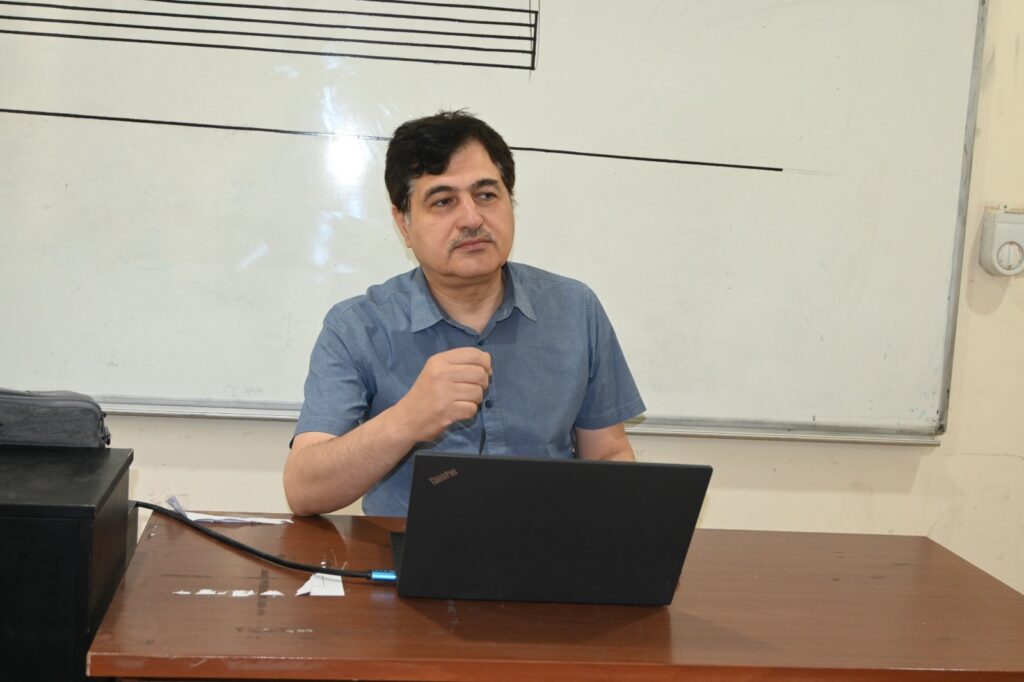
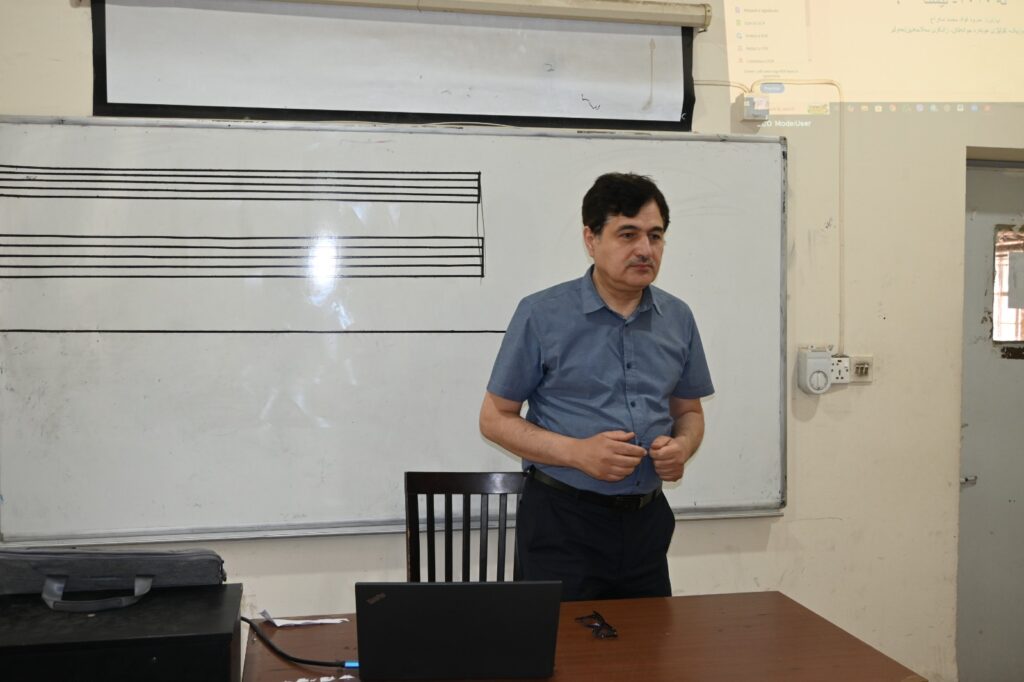
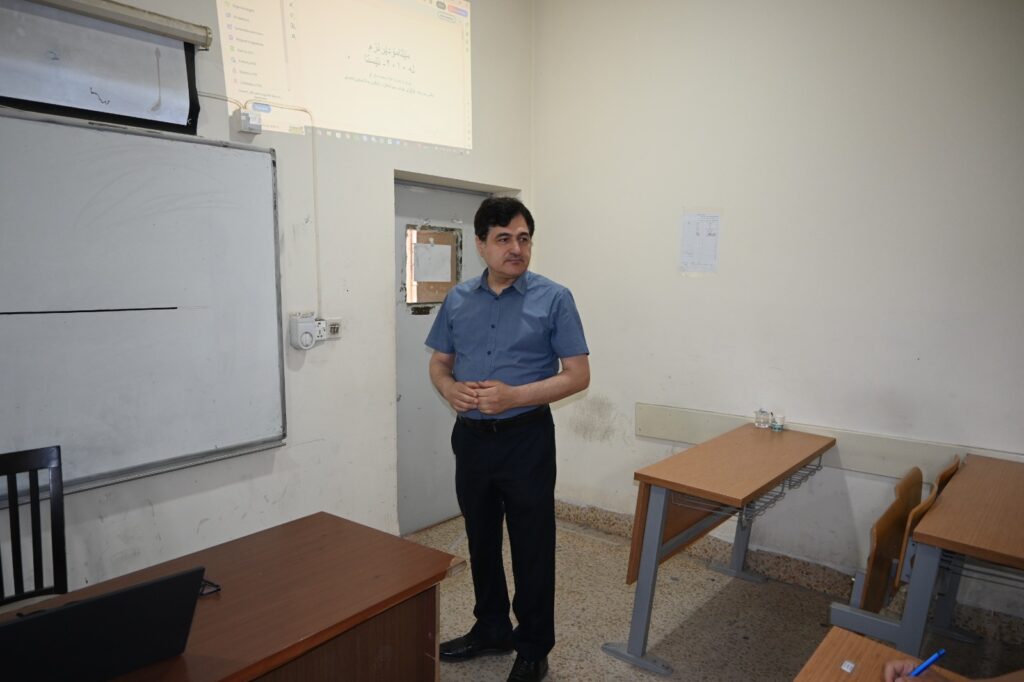
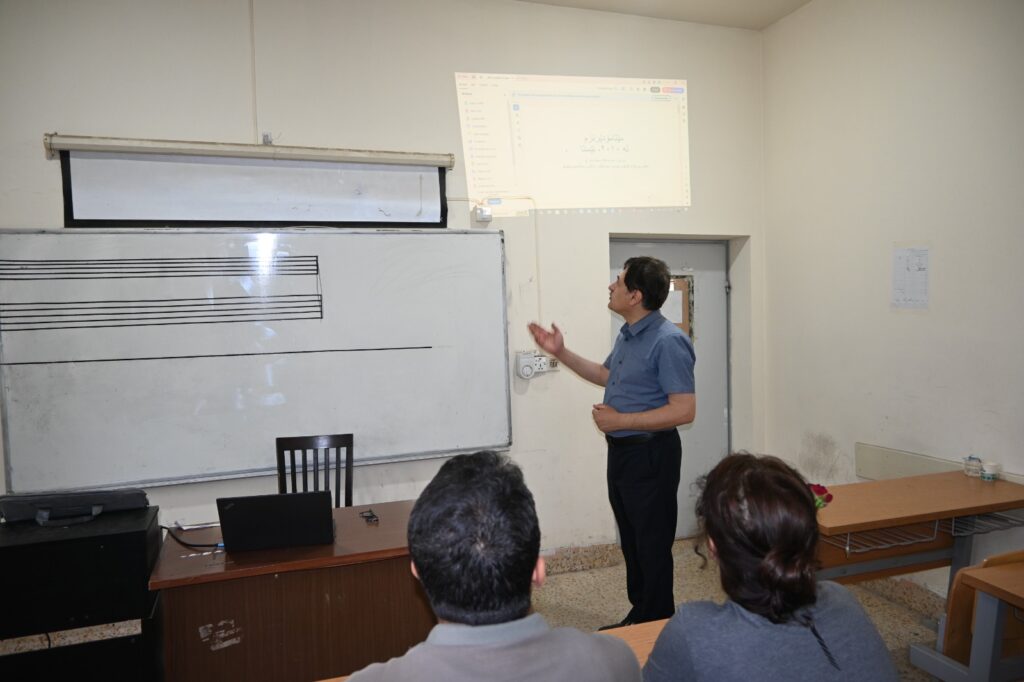
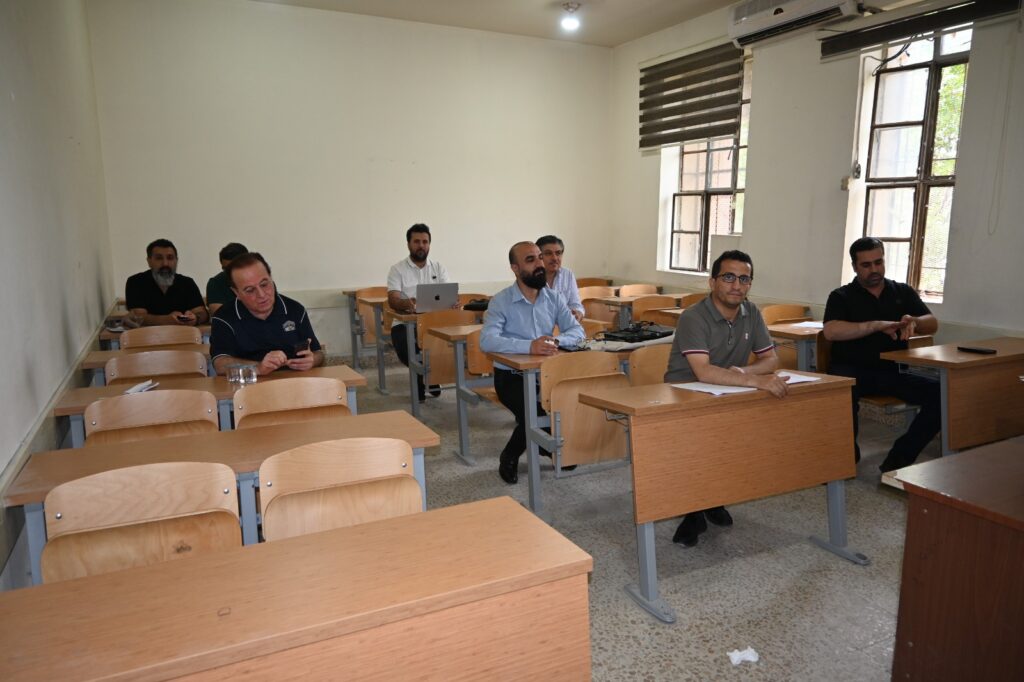
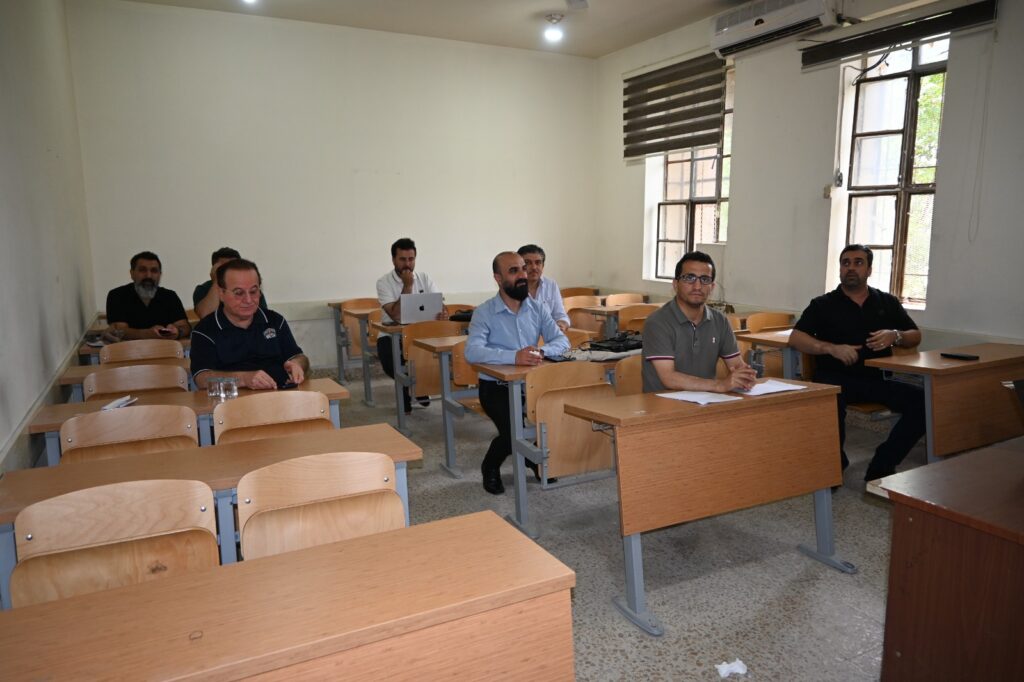
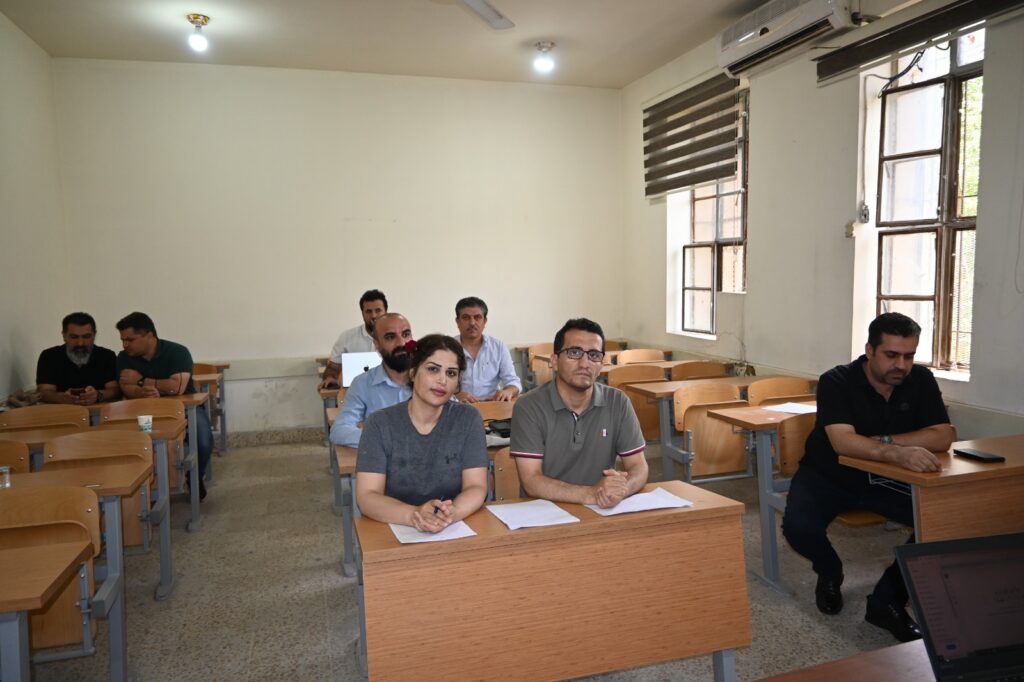
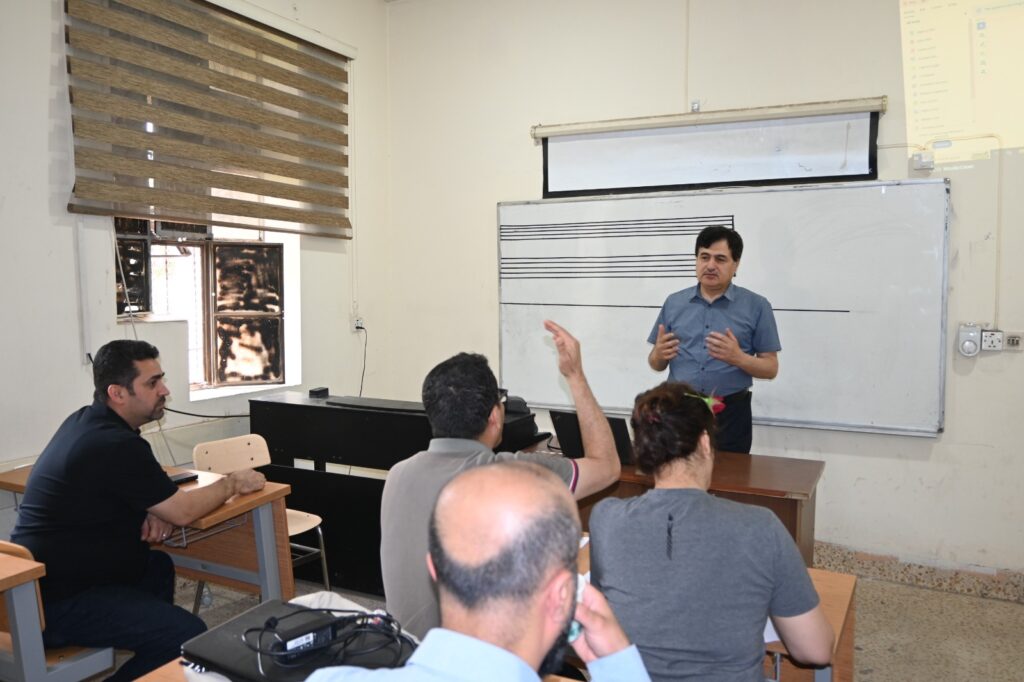
Today, Assist. Prof. Dr. Srood Fouad Mohammed Siraj, a lecturer in the Department of Music at the College of Fine Arts, Salahaddin University, delivered a scientific seminar titled “Metamodernism”, highlighting this new approach and the transformations it has brought to the fields of culture, literature, and especially music.
During the seminar, it was explained that Metamodernism is a new intellectual movement that emerged after Postmodernism. This approach attempts to unify the fragmentation that characterized Postmodernism by combining the features of Modernism (such as truth and progress) with those of Postmodernism (such as skepticism and doubt), existing in a dynamic balance between the two. The term dates back to 1975, but since 2010 it has increasingly been used as a broad cultural expression.
In another part of the seminar, attention was given to the technical transformations that have emerged in music over the past decade. One of these was “Behavioural Ornamentation,” which developed significantly between 2021–2025 and focuses on the speed, weight, and transitions between sounds. The seminar also discussed the use of “Extended Articulation” alongside electronic systems, where musicians transfer part of the sound control from the instrument to algorithms and computers in order to create entirely new sonic experiences.
Furthermore, the concept of “Polytemporal Dynamics” was examined, in which multiple tempos operate simultaneously, each carrying its own unique dynamic structure. This phenomenon has emerged as a notable innovation between 2015–2024.
At the conclusion of the seminar, it was emphasized that Metamodernism serves as a continuation and evolution of both Modernism and Postmodernism. For musicians, aesthetic philosophy remains highly important, but equal attention must also be devoted to the scientific and academic study of music itself through research and scholarly investigation.