Erbil, Friday (May 15, 2026)
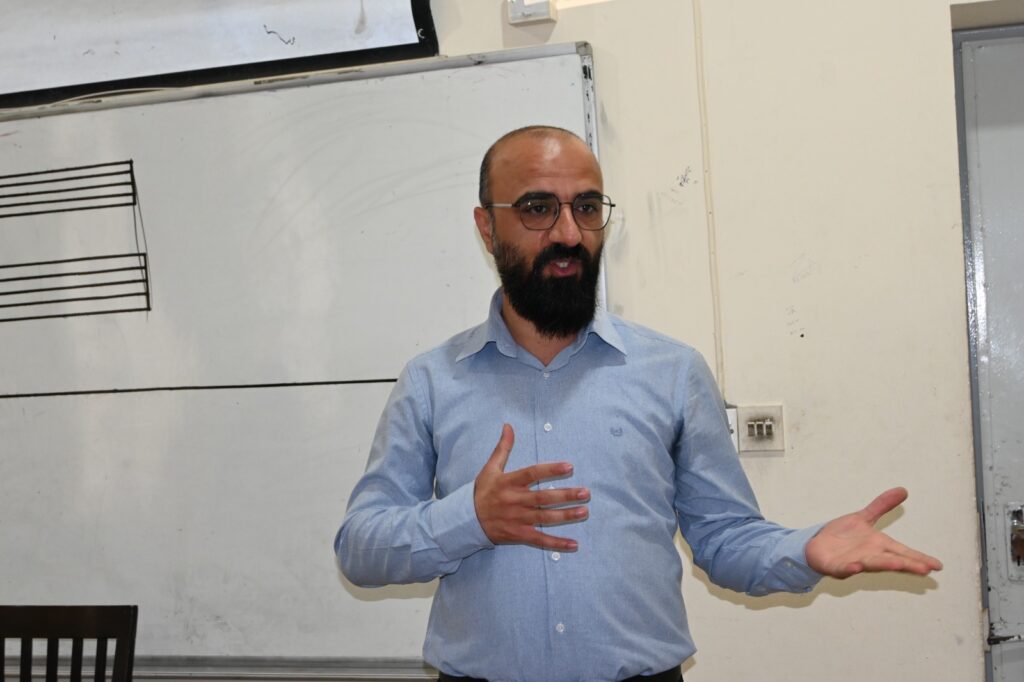
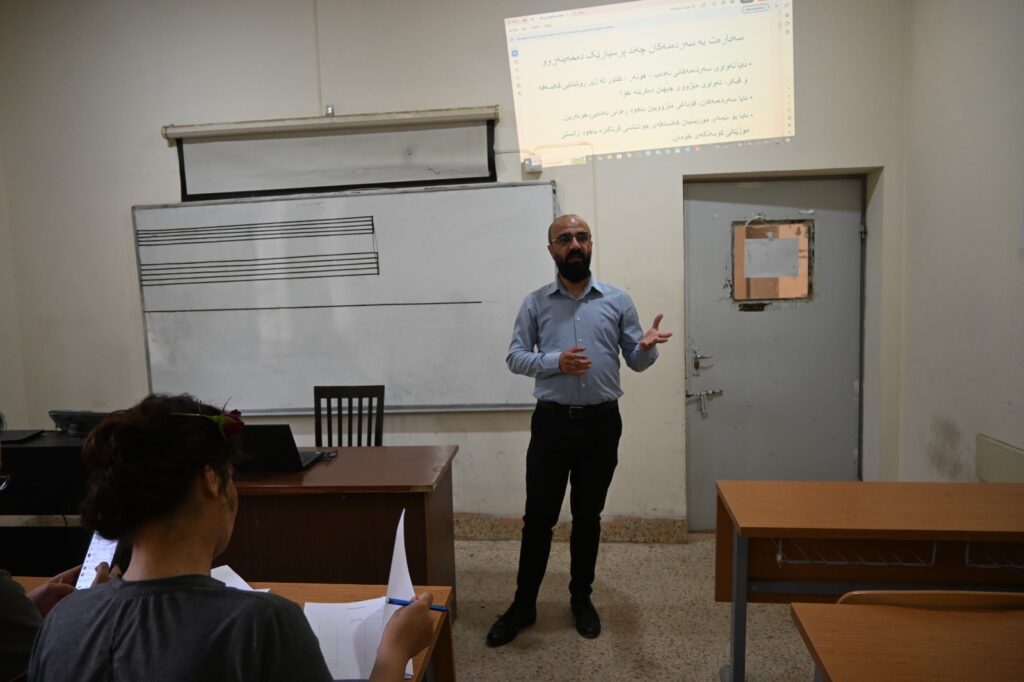
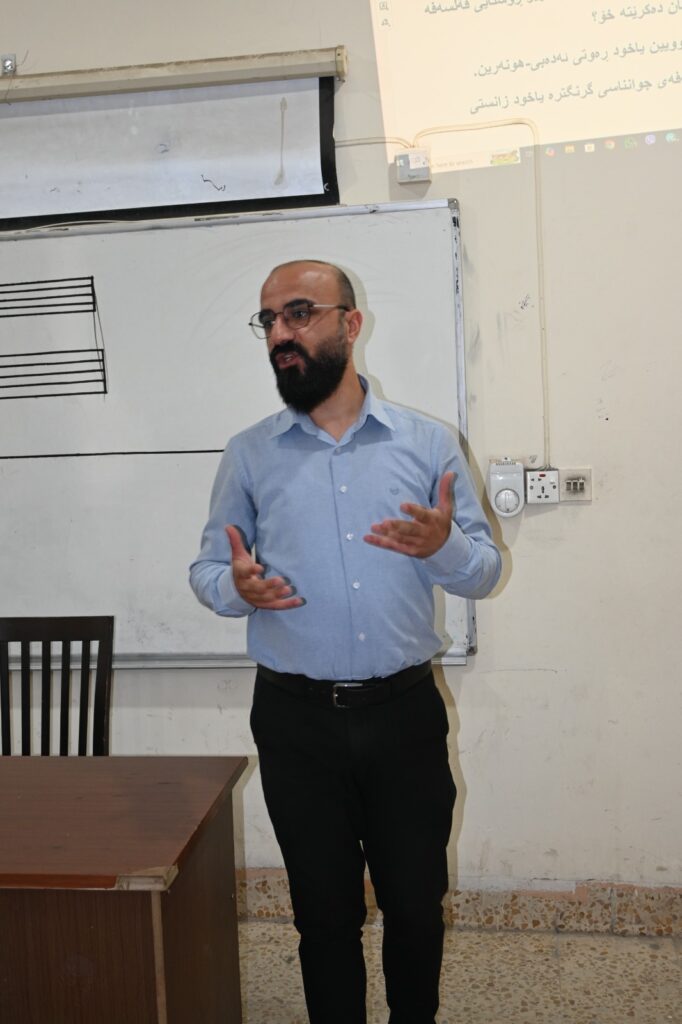
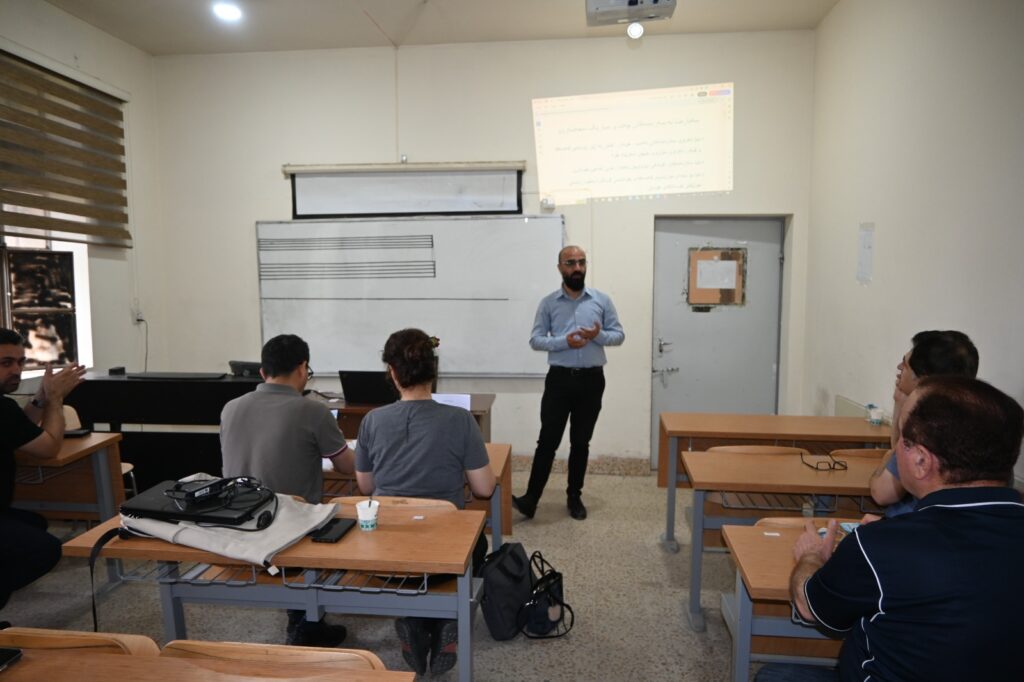
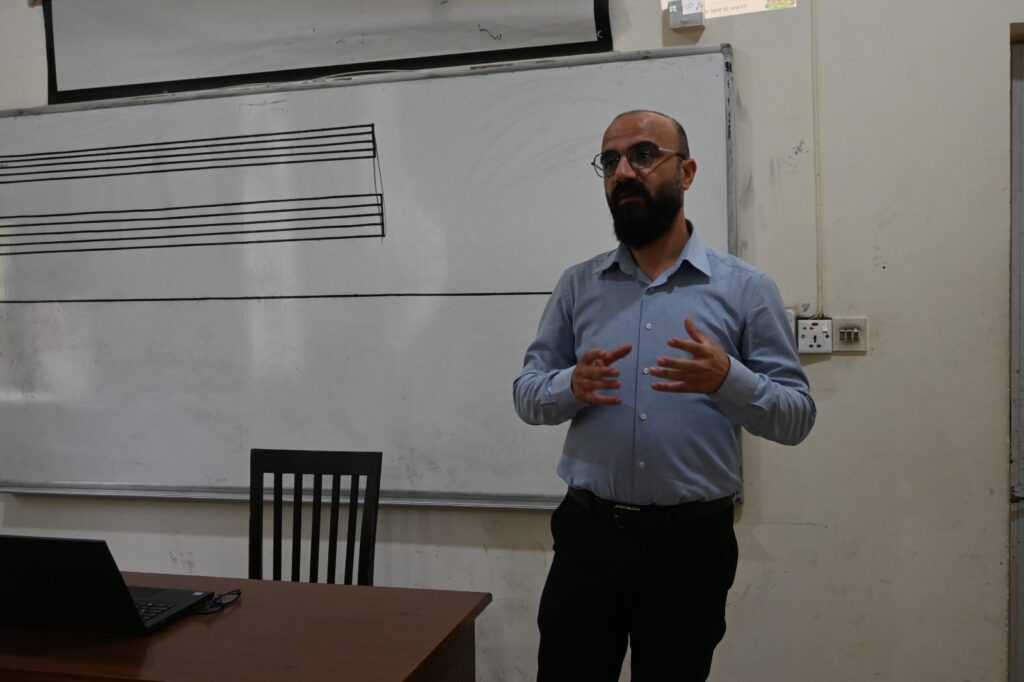
Yesterday, Thursday, Assist. Lecturer Khakmand Majid Abdullah from the Department of Music at the College of Fine Arts delivered a scientific seminar titled “Clarinet Reeds: A Practical Guide for Selection, Use, and Maintenance.” The seminar highlighted the importance of the reed as a fundamental element in determining sound quality and the level of control over the clarinet instrument.
It was explained that the reed is not merely a small wooden piece; rather, nearly 90% of sound quality depends on the quality and proper selection of the reed. The role of the musician and student, therefore, goes beyond simply playing the instrument to understanding the science of materials and distinguishing between different reed types in order to achieve an academic and professional sound.
In another part of the seminar, the classification of reeds according to their composition and use was discussed in detail:
- Natural Reeds:
The most common type, producing a warm and natural tone. However, they are sensitive to weather changes and moisture. - Synthetic Reeds:
More durable and less affected by temperature changes, making them suitable for outdoor performances and military marching bands. - Scientific Classification (Cut Types):
Attention was given to the difference between the Filed Cut, which produces a quick and clear sound, and the Unfiled Cut, which creates a fuller and darker tone.
The seminar also discussed different reed levels according to brand and player ability:
- For Beginners and Students – Rico Orange:
Recommended because of its softness and ease of playing. - For Advanced and Professional Players – Vandoren Blue Box:
Requires greater control and stronger breath support to achieve a classical European tone. - For Jazz Style – Select Jazz:
Known for its flexibility and powerful sound, making it ideal for jazz bands and advanced jazz techniques.
The seminar concluded that reed maintenance and adjustment are inseparable parts of learning the instrument. Students should therefore develop sufficient knowledge to select reeds that suit both their academic level and physical abilities.